Cuddly Identities for Playful Communities

Welcome, makers and game night hosts! Today we dive into designing plush mascots and accessories for board game clubs, turning shared play into tactile warmth, memorable rituals, and lasting stories. Expect practical materials advice, safety notes, manufacturing tips, and community-building ideas, all tied to real experiences from lively tables where dice clatter, laughter rises, and a soft character quietly becomes everyone’s favorite teammate.

From Club Values to Huggable Characters

A great club mascot begins as a living expression of your group’s energy, play style, and inside jokes. Translate your club’s favorite mechanics, typical vibe, and hospitality into a character that feels both iconic and approachable. The best designs read instantly from across the room, encourage touch without fear, and make newcomers feel welcomed. Aim for a story-rich symbol that supports rituals, photos, and shared memories without overshadowing the games themselves.

Mapping Personality and Play Style

Start by interviewing members about what they love most: cooperative heroics, sharp strategy, or zany party chaos. Distill three personality anchors—curiosity, fairness, and cheer, perhaps—then assign physical cues like rounded shapes for friendliness and muted hues for calm. Our Wednesday group loved negotiation games, so we designed a plush owl with a polite nodding head, signaling wisdom, fair play, and late-night stamina without feeling pretentious or exclusive to non-gamers.

Story Seeds That Spark Loyalty

Even a tiny backstory invites participation. Give your mascot a gentle origin—rescued from a cluttered game closet, or drawn by a junior member for a fundraiser—so people feel ownership. Add traditions like passing the mascot to the first player or awarding it to the night’s best teacher. When our club adopted a plush meeple knight, we wrote weekly micro-tales on social posts, and attendance reliably rose as members contributed hilarious canon.

Color and Shape Psychology

Rounded silhouettes communicate safety and kindness, while soft pastels signal approachability for mixed-age spaces. Bold contrasts catch distant eyes during conventions but can overwhelm cozy cafés, so balance saturation with texture. Cool hues calm competitive tension, warm tones generate social warmth. Keep an easy-to-read silhouette for photos. A teardrop body with stubby wings reads cute and stable; a sturdy base helps the plush sit on tables without constantly toppling into card piles.

Fabric, Fill, and Durable Details

Materials matter when a plush meets long sessions, snack crumbs, and constant hugs. Choose soft, low-shedding fabrics like minky, fleece, or velboa for comfort and durability. Use hypoallergenic polyester fill that recovers after squishing. Reinforce seams at stress points, especially ears, limbs, and accessory loops. Consider embroidered eyes over hard components for safety and washability. Always check standards like EN71 and CPSIA if you plan to distribute beyond your immediate club circle.

Choosing Fabrics for Tactile Delight

If your club plays for hours, texture fatigue is real. Minky offers buttery softness; microfleece resists pilling; velboa brings short, low-maintenance pile. Pre-wash to test colorfastness against sweaty hands and café spills. Avoid shaggy fur that traps crumbs or obstructs table views. When sourcing, request swatches to compare handfeel under fluorescent lighting and warm café bulbs. We discovered a low-sheen grey minky photographed beautifully with colorful boards, avoiding glare or unwanted reflections.

Safety First, Always

When children visit or socials open to the public, prioritize embroidered features, secure stitching, and hidden, well-tacked seams. Skip small buttons or detachable metal parts around snacks. Review EN71 and CPSIA guidelines, and document materials for peace of mind. Test laundering in a mesh bag to confirm shape integrity. Our owl prototype’s felt beak detached during vigorous cheering; we redesigned using satin-stitched embroidery and a reinforced inner gusset, surviving repeated celebratory squeezes with cheerful resilience.

Pattern Prototyping and Iteration

Begin with paper mockups and tape assemblies to visualize proportions. Sew a muslin or felt prototype, marking pinch points, posture, and table stability. Adjust seam allowance around curved features for smoother contours. Photograph under club lighting and on boards to verify silhouette clarity. Invite members to handle the prototype and gather feedback on softness, balance, and size relative to player mats. Two quick prototype rounds usually prevent expensive production mistakes and rushed, unhappy compromises.

Useful Companions That Upgrade Game Night
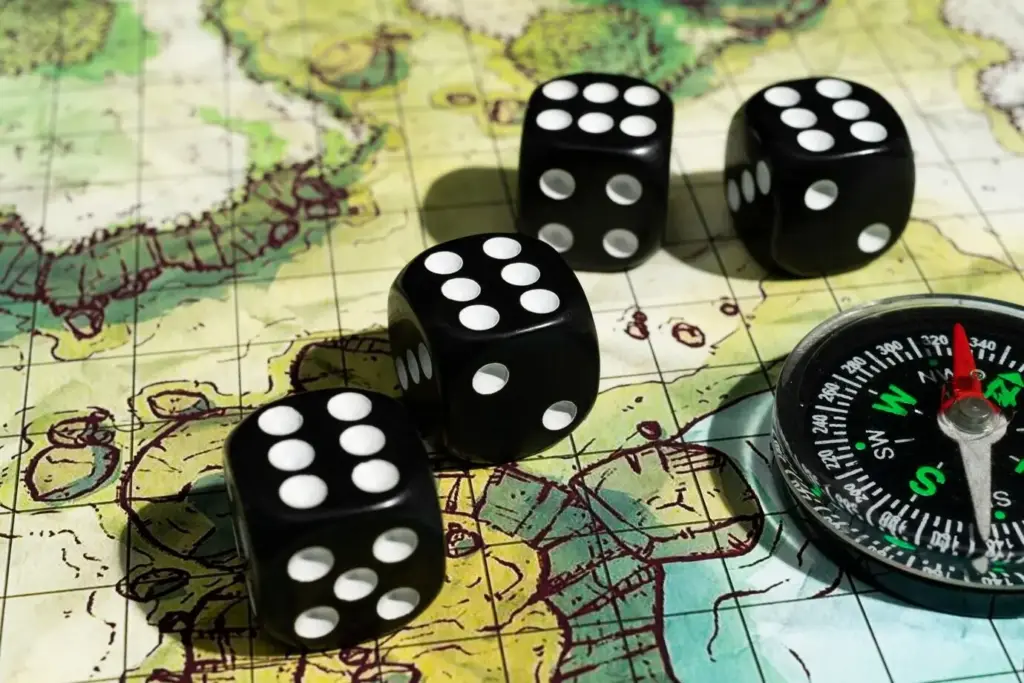
Accessories extend charm into function: dice bags, token pouches, component cozies, card-carry sleeves, stackable organizers, coaster sets, and playmat straps. Integrate subtle magnets for badges, zipper pulls shaped like your character, and embroidered labels for easy sorting. Prioritize quiet materials that won’t clatter mid-turn. Add color-coded linings to speed setup and teardown. The most beloved accessories reduce friction, reward mindful storage, and deliver delight every time a box opens or a pouch softly lands.

Embroidery, Appliqué, and Expressive Details

Faces, props, and tiny accents carry emotion. Embroidery delivers crisp, safe details that survive washes; appliqué adds layered depth; pom noses and felt wings bring personality if stitched securely. Consider reflective thread for convention photos, and matte fabric around eyes to avoid glare. Offer swappable scarves or badges that celebrate seasonal events and tournament wins. Consistency with your club’s iconography ensures photos look cohesive across posts, flyers, and profile images through changing lighting and devices.
Mobile cameras exaggerate highlights, so avoid glossy domes and choose matte stitching around pupils and cheeks. Keep features high-contrast but gentle, with enough whitespace to read at thumbnail size on social feeds. Our fox mascot used slightly oversized pupils, making expressions endearing without cartoonish chaos. Test under warm café bulbs, daylight near windows, and convention halls. A simple, inviting smile beats complex grimaces, especially when you need quick, clear recognition across crowded, colorful tabletops.
Place your club mark where it complements the mascot’s silhouette: a small embroidered tag near a paw, a subtle chest patch, or a removable scarf badge. Avoid large front-and-center logos that dominate photographs or clash with board art. Consider monochrome thread to maintain harmony. We framed our emblem inside a stitched shield tucked along a wing edge, readable in close-ups while invisible from afar, preserving character charm yet anchoring brand recognition during press and convention coverage.

From One-Offs to Small Batches

Planning beyond a single handmade piece requires costing, timelines, and thoughtful fulfillment. Break down material costs, labor hours, packaging, and freight. Compare local sewists, small studios, and ethical factories with realistic minimums. Preorders reduce risk; community sponsorships add pride. Factor labeling requirements and safety testing if selling publicly. Create a buffer for rework, and schedule photography before arrival. A well-planned run maintains quality and delivers magical unboxings rather than stressful, delayed apologies.

Building Hype and Sustained Affection

Launch with inclusive energy and keep momentum through thoughtful rituals. Tease silhouettes and fabric swatches, invite name suggestions, and host a vote. Celebrate the first prototype’s journey across tables. Encourage photo challenges, care tips, and accessory swaps. Partner with local cafés, libraries, and conventions. Share maker spotlights to honor craft. Most importantly, ensure newcomers can join the fun without prior knowledge, using the plush to invite, teach, and soften competitive edges kindly.

Naming and Lore With the Club

Run a simple poll with three strong names and a write-in option, then craft a tiny origin story from member comments. Introduce a recurring cameo in recaps: the mascot announces new games, thanks teachers, or cheers tidy teardown crews. Our owl’s lore included recipes for late-night tea, shared by members. This lighthearted continuity translates into weekly smiles, a friendly icebreaker for guests, and a delightful archive for newsletters that keeps engagement reliably warm.

Photography and Storytelling That Travels

Design recognizable photo set pieces: a small backdrop in club colors, a miniature prop like a scroll scoreboard, and consistent lighting guidelines. Encourage members to shoot eye-level with the plush for emotion. Offer monthly prompts—favorite cooperative victory, best teaching moment, coziest café table. Collect and caption community photos in albums. We saw new visitors arrive after seeing a simple carousel featuring the mascot patiently waiting beside a rules reference, exuding calm, tidy, welcoming vibes everyone appreciated.

Helivonarisia
Privacy Overview

This website uses cookies so that we can provide you with the best user experience possible. Cookie information is stored in your browser and performs functions such as recognising you when you return to our website and helping our team to understand which sections of the website you find most interesting and useful.