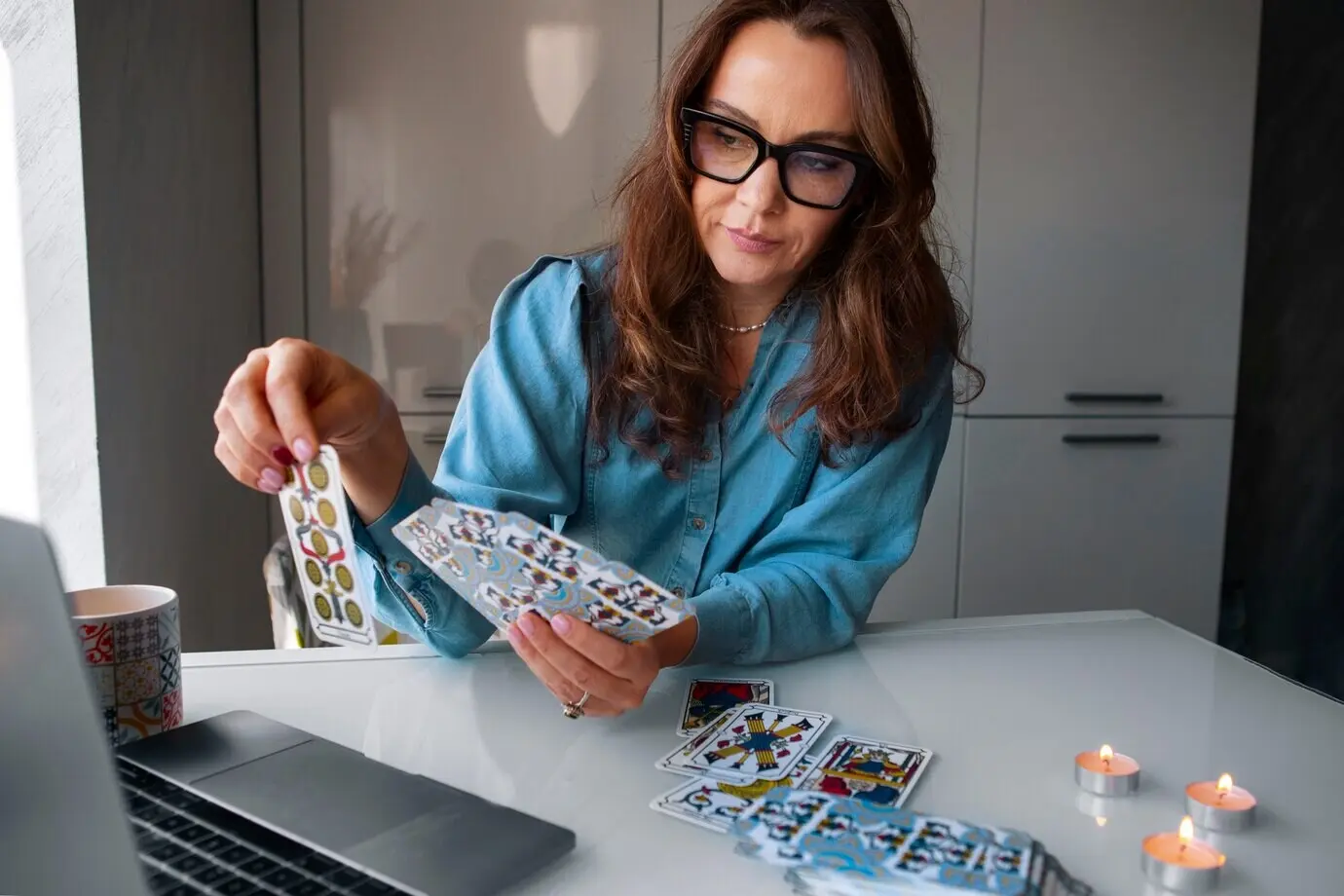
Soft-Touch Tabletop Gatherings

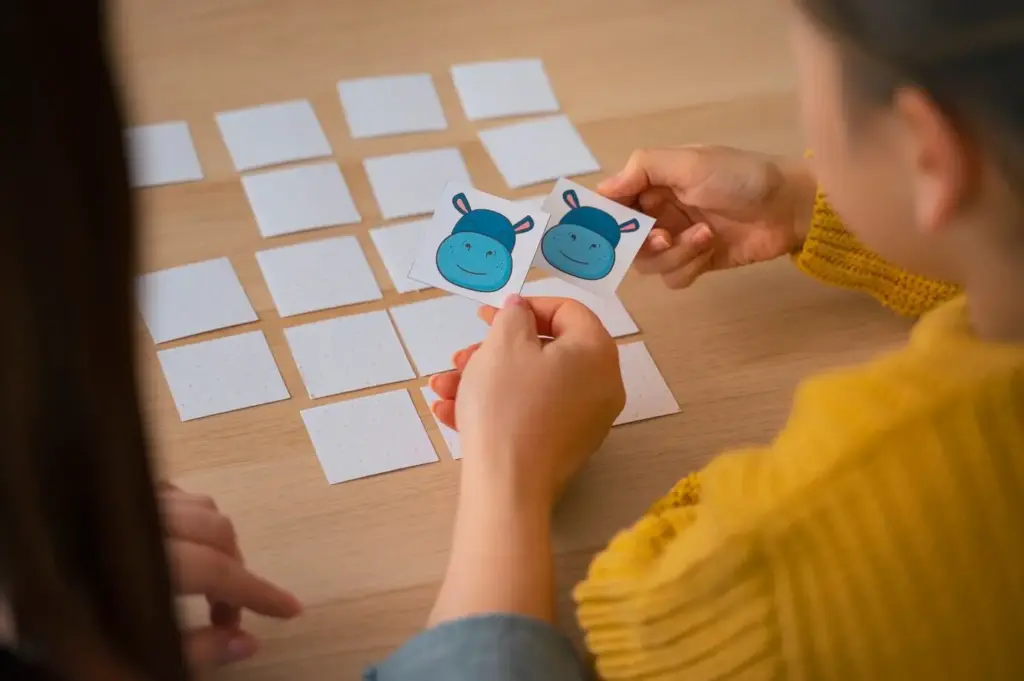
Today we explore creating sensory-friendly tabletop events with plush comforts, bringing tender textures, quiet energy, and predictable rhythms to shared play. From lighting and sound to weighted friends and gentle rules tweaks, you will find practical steps, heartfelt stories, and inspiring details you can try this weekend. Share what works for you, ask questions, and help shape kinder gaming spaces for every nervous system.

Setting the Stage for Calm Play

Before dice ever roll, the room decides how people feel. Consider soft, indirect light, controlled sound, breathable seating, and clear pathways. I once watched anxious first-timers relax the moment they saw cushioned chairs, a quiet corner with plush companions, and a visible break plan. Small environmental choices open the door to deeper focus, warmer laughter, and lasting friendships.

The Plush Comfort Toolkit

Plush comforts are more than cute; they are regulation tools. Weighted friends ground anxious minds. Soft textures offer predictable, safe input. Fidget plushies keep hands occupied without noise. Label a clean basket as shared, and invite people to bring favorites. A little planning—washable covers, lint rollers, and scent-free detergents—keeps everything welcoming, hygienic, and ready for many gatherings.

01

Weighted Warmth and Gentle Pressure

A small weighted lap plush can reduce adrenaline spikes during tense moments, helping players stay present and engaged. Keep several weights and sizes to accommodate comfort preferences. Explain that anyone can opt in or out at any time. Store them in breathable bags between sessions, and document cleaning routines so newcomers trust these soothing allies without worry or hesitation.

02

Friendly Mascots and Quiet Fidgets

Introduce a soft mascot that signals helpful cues: on the table means it’s time to focus; raised gently means voices down; hugged means pause. Include silent fidgets like plush stress balls and fabric tangles. Avoid clicky toys. Rotate textures—minky, knit, fleece—to satisfy varied needs. Invite guests to share if certain materials feel scratchy, and swap promptly without fuss.

03

Care, Cleanliness, and Allergy Awareness

Soft items gain trust when they feel clean. Use fragrance-free detergents and wash plush covers regularly, noting dates on a small tag. Offer hypoallergenic options and avoid feather fills. Keep spare covers for quick swaps after spills. Provide a discreet bin for items needing cleaning. Transparency about materials, care schedules, and storage reassures sensitive guests and makes comfort sustainable.

Choosing and Adapting Games
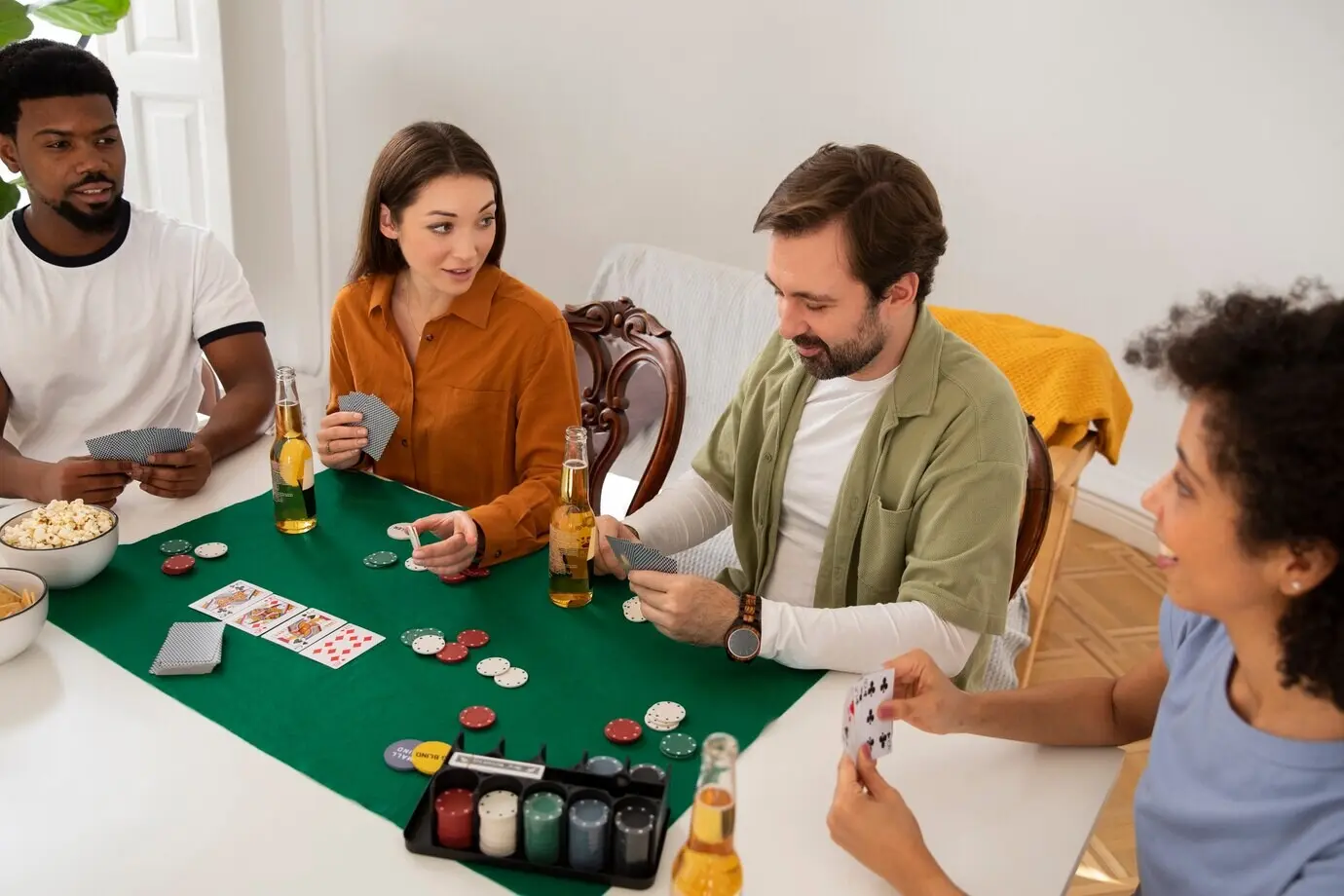
Game selection shapes sensory load. Favor clear iconography, minimal downtime, and tactile components with soft edges. Cooperative or low-conflict systems often feel safer. Offer rule summaries on calm-colored cards. When complexity rises, add visual timers and predictable breaks. One group found a tense mystery far friendlier after we introduced cushioned dice trays, quiet tokens, and a plush pause signal.

Communication that Reduces Anxiety

Clarity invites safety. Share expectations about volume, rules clarifications, and break etiquette. Introduce consent tools in approachable language. Replace admonishments with gentle cues, like passing the speaking plush to indicate turns. In one session, a nervous newcomer found their voice by squeezing a small fox while explaining a move; the table listened with real warmth and patience.

Clear Expectations and Friendly Scripts

Provide short scripts people can borrow: “I need a quick pause,” “Could we repeat that more slowly?,” or “I’m stepping to the quiet nook.” Practice once together so requests feel normal. Put scripts on soft-edged cards near seating. When language fails, encourage pointing to a plush-coded card. Predictable phrasing lowers social load and normalizes needs without embarrassment or apology.

Color Cards and Consent Signals

Use calm-colored cards—green for comfortable, yellow for check-in, red for stop—paired with soft textures. A fuzzy border can differentiate signals without harsh brightness. Explain they override table action respectfully. Combine with a neutral phrase like “Pause, please.” Collect feedback afterward about clarity. These tools protect energy, keep play aligned with consent, and ensure sensitive moments have protective boundaries.

Snack Strategy without Surprises

Post ingredients, avoid strong aromas, and label gluten-free or dairy-free options clearly. Provide easy textures—soft fruits, crackers, gentle teas. Keep crunchy packages pre-opened in bowls to prevent sudden crackles. Hydration pitchers reduce bottle noise. Invite guests to bring safe favorites. Consistent, transparent choices prevent sensory spikes and help everyone maintain steady focus without hunger-driven irritability or discomfort.

Scent-Free, Breath-Easy Comfort

Fragrance can derail a sensitive brain. Ask attendees to skip perfumes and heavily scented hair products. Wash plush covers with unscented detergent and store them in breathable containers. If a scent arises, open a window gently or shift to an adjacent space. A friendly reminder sign near the entrance normalizes kindness toward lungs, sinuses, and overstimulated nervous systems alike.

Hosting with Accessibility in Mind

Thoughtful logistics sustain welcoming play. Share details early, collect needs via a short registration form, and keep attendance flexible. Offer hybrid access with a plush-at-home guide for remote friends. Budget for washable comforts and replace worn pieces promptly. Invite feedback, celebrate small wins, and grow a culture where softness signals strength, creativity, and enduring community care.
Send a concise form asking about lighting sensitivity, sound tolerance, seating needs, allergies, and preferred communication cues. Share arrival guidance, parking notes, and a photo of the quiet nook. List available plush comforts and cleanliness practices. Providing context ahead of time reduces anticipatory anxiety and allows people to choose supports without needing to disclose personal details repeatedly.
For friends joining online, mail or suggest a simple comfort kit: a small plush, printable cue cards, and a felt dice mat or keyboard pad. Keep cameras optional and turns clearly signposted. Use captions and a calm visual timer. Encourage stretch breaks together. Inclusivity expands when softness travels beyond the table, meeting bodies and brains wherever they feel safest.
Start small: a couple of cushions, one weighted plush, a felt mat, and unscented wipes. Add over time as you learn what guests love. Track costs and cleaning cycles to prioritize replacements. Thrift soft textiles thoughtfully and sanitize thoroughly. Invite community contributions or wish-list gifts. Sustainable stewardship keeps comfort reliable, ethical, and ready for many nights of gentle play.
Helivonarisia
Privacy Overview

This website uses cookies so that we can provide you with the best user experience possible. Cookie information is stored in your browser and performs functions such as recognising you when you return to our website and helping our team to understand which sections of the website you find most interesting and useful.